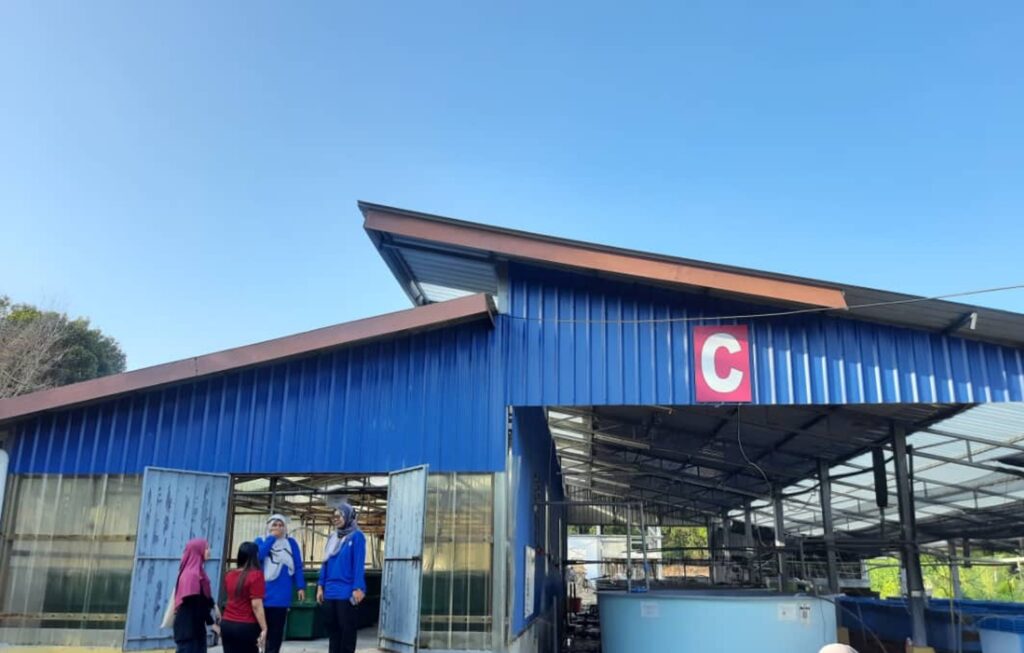
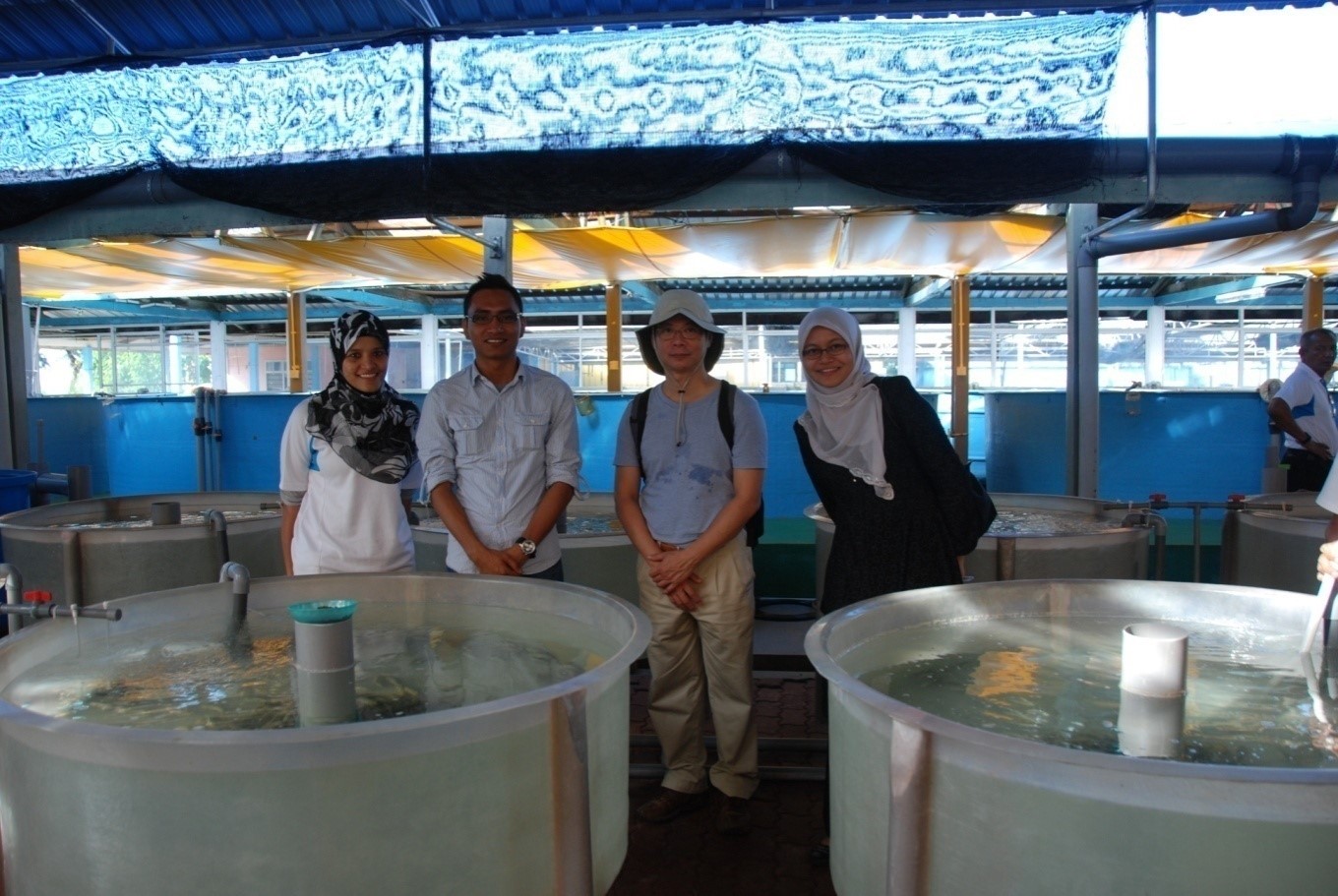
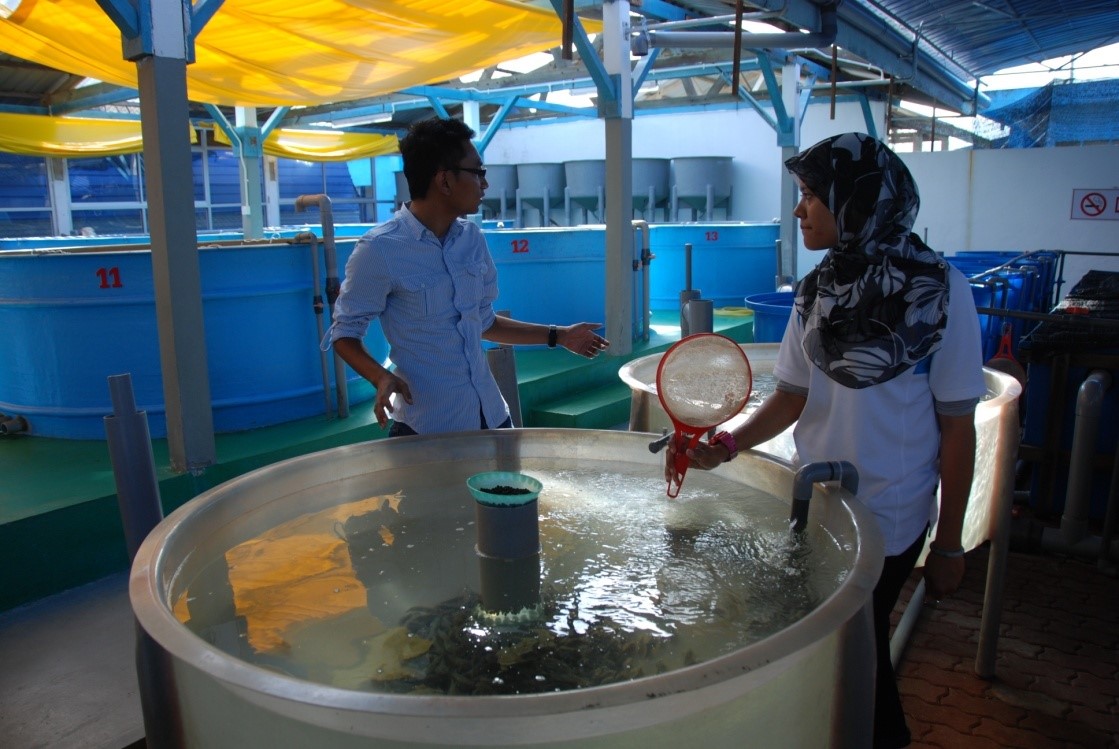
Pertubuhan Peladang Kawasan (PPK) established under the Famers Organization Act 1973 (Act 109) to enhance business and investment growth in agriculture, improving the socio-economic status and the quality of life for the farmers and to balance the agro-industrial development in the rural areas. Dr. Natrah collaborated with PPK Mersing for i-QAS project where they provided facilities for the research to be done for hatchery level field trial.
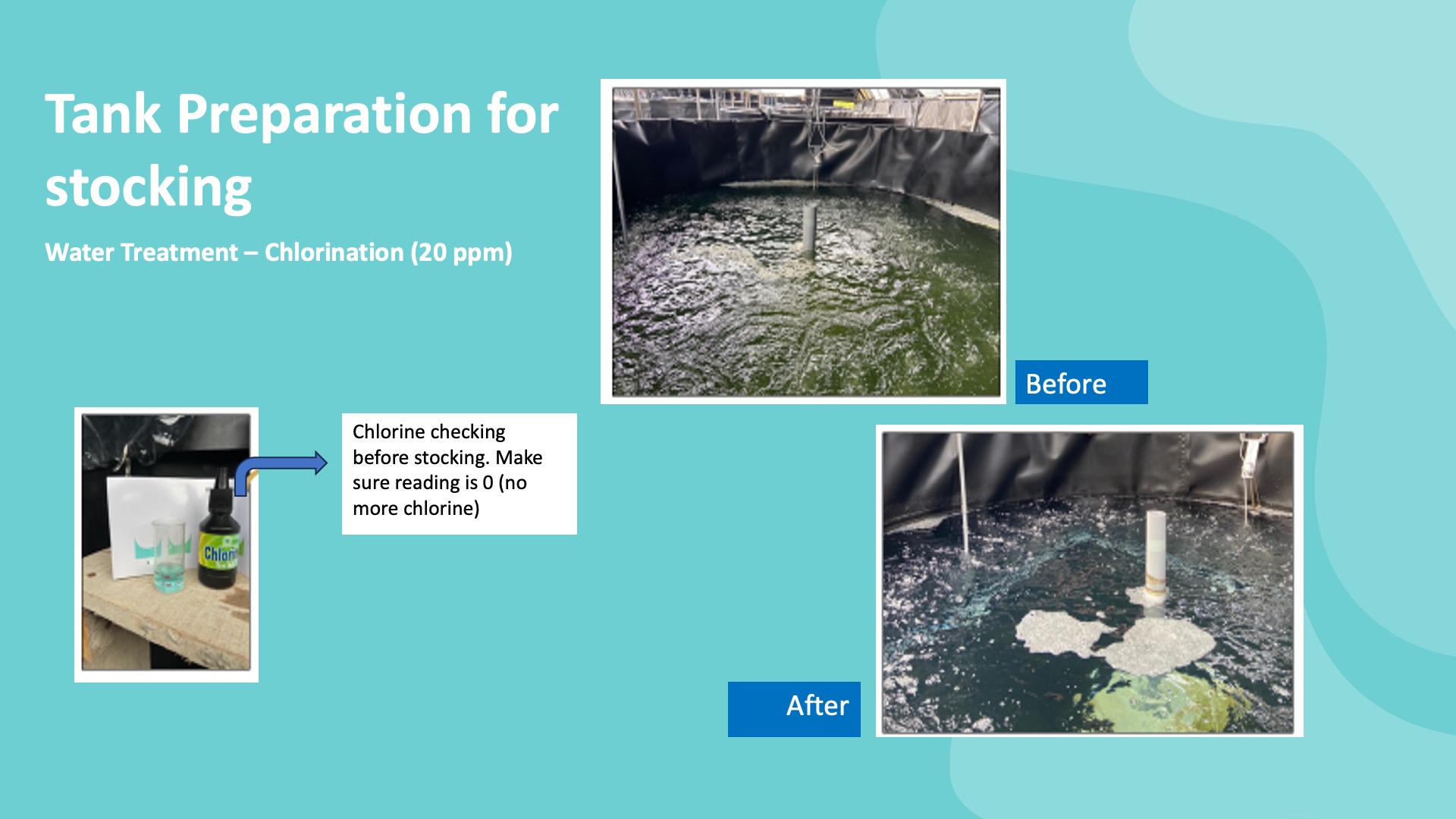
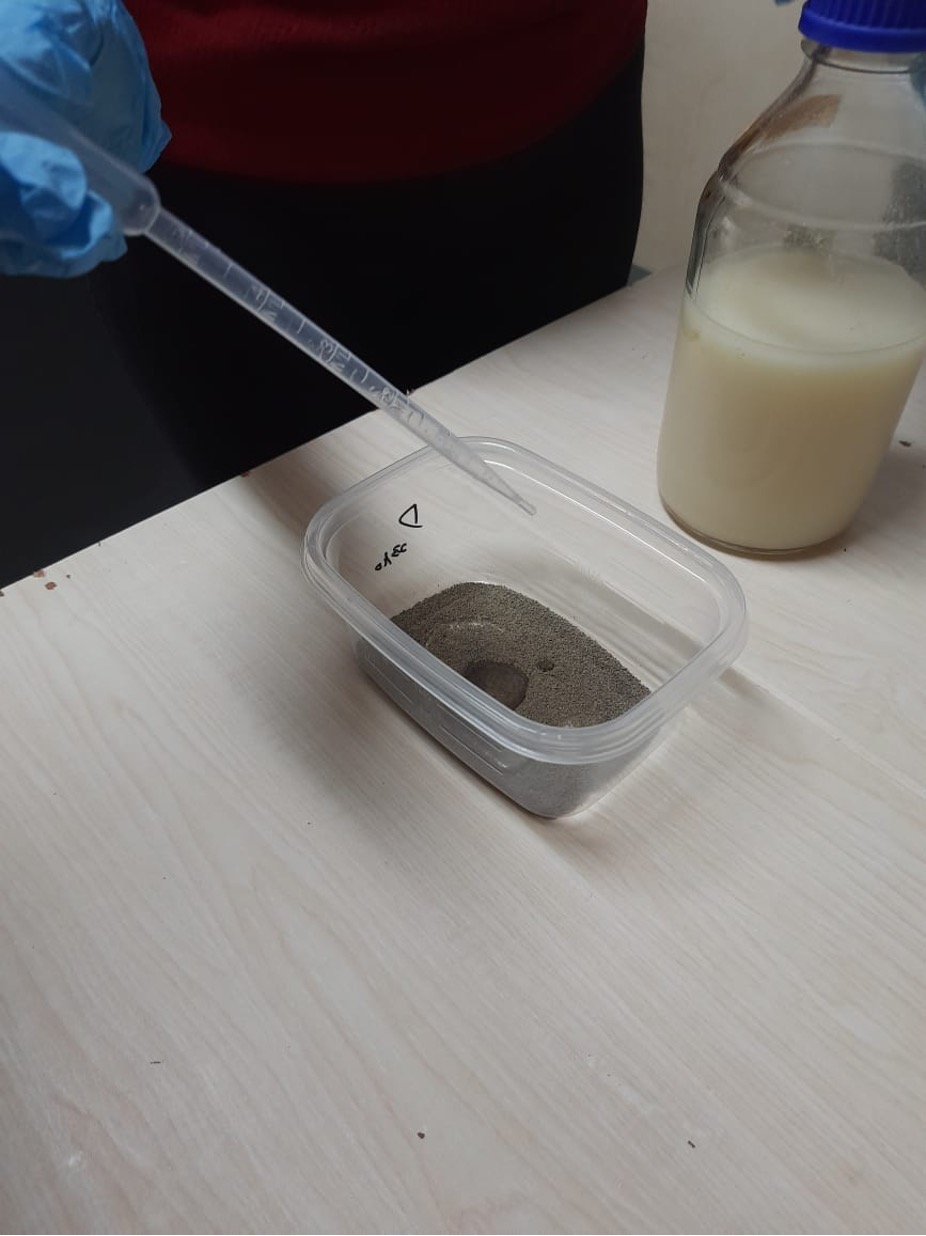
Tank Preparation
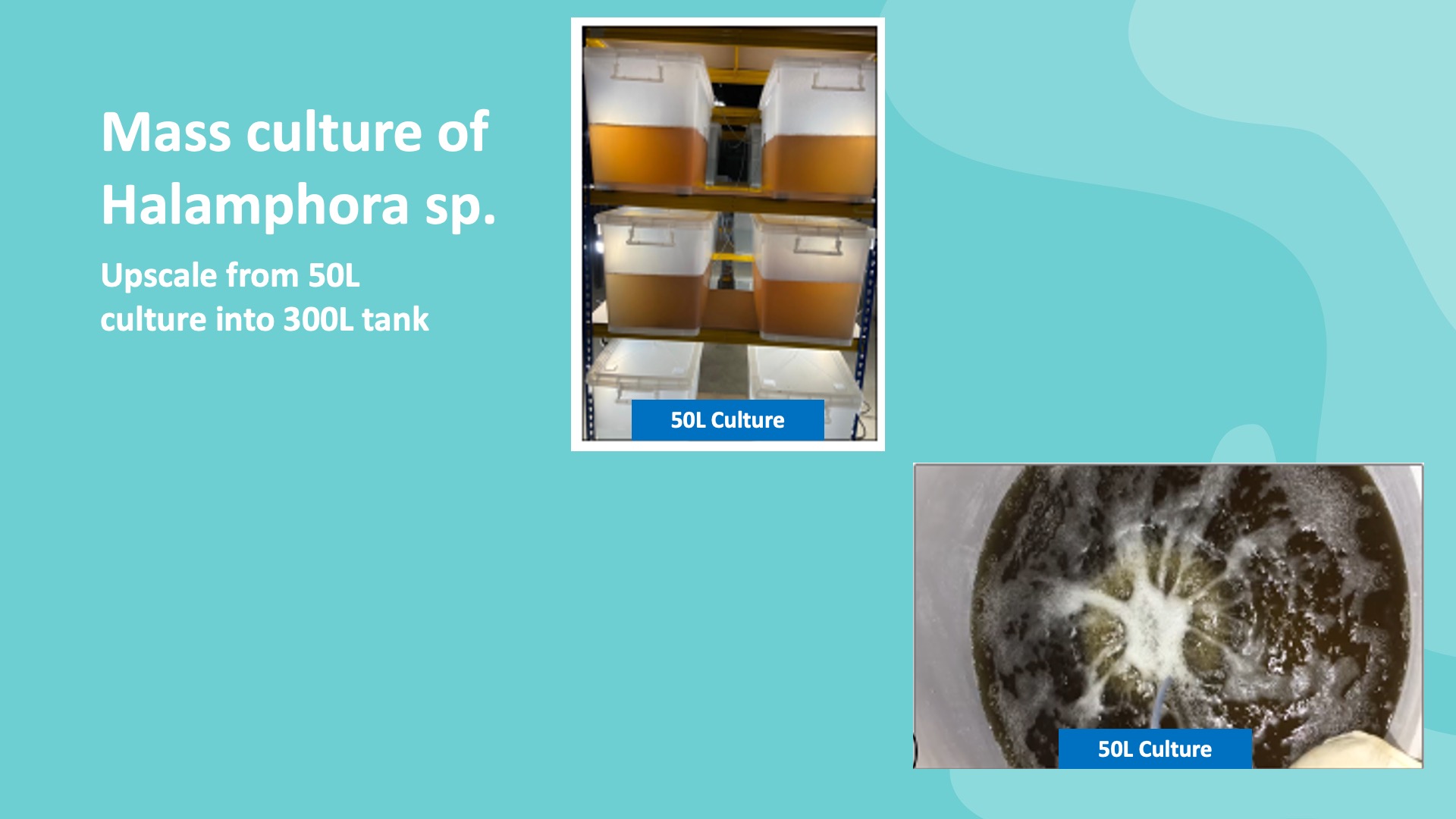
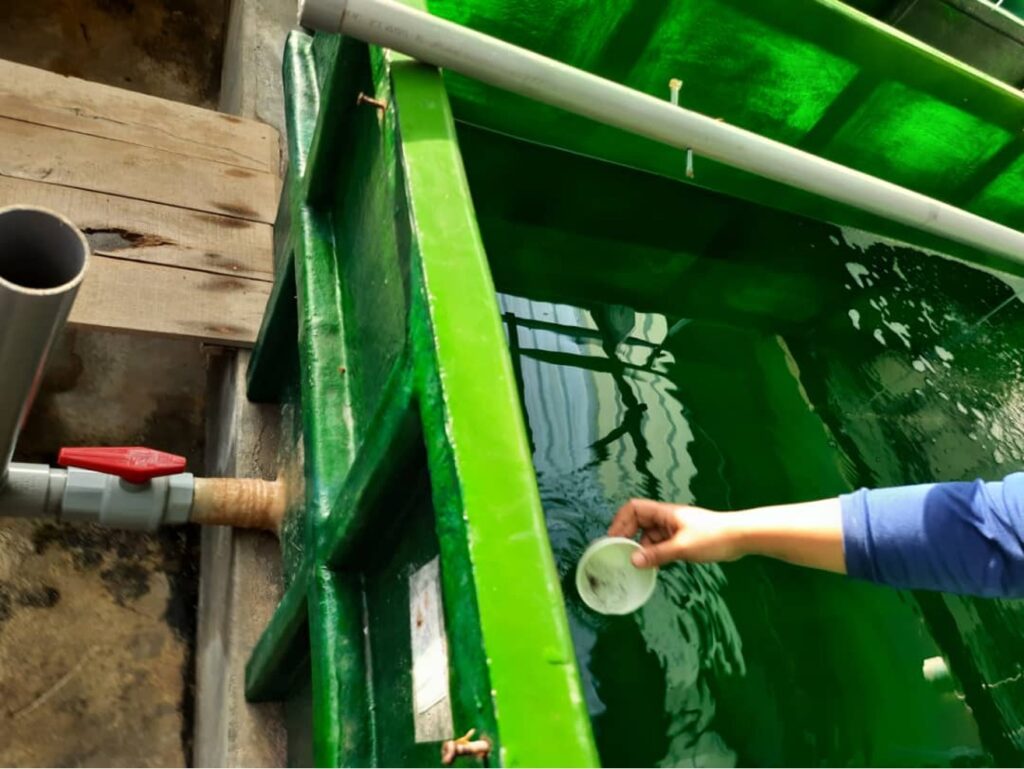
Mass culture of QQ microalgae (outdoor)
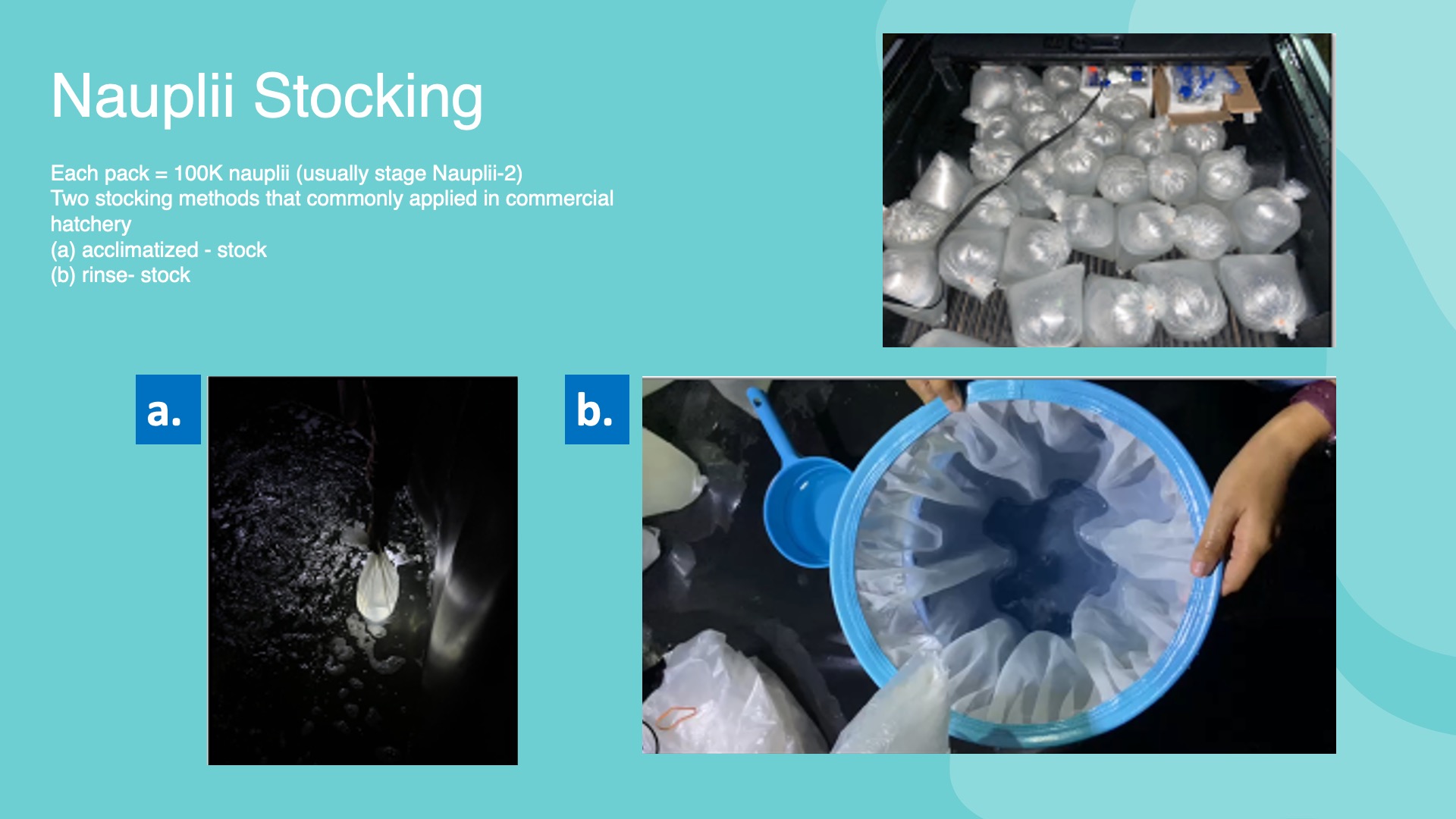
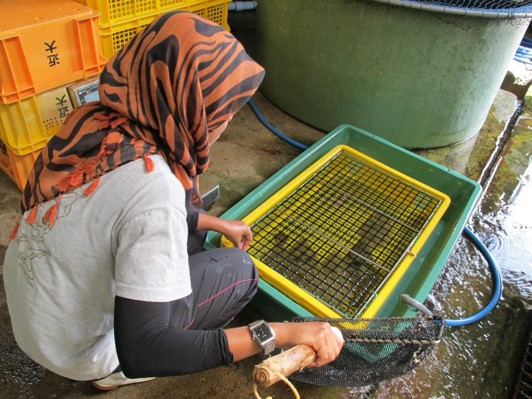
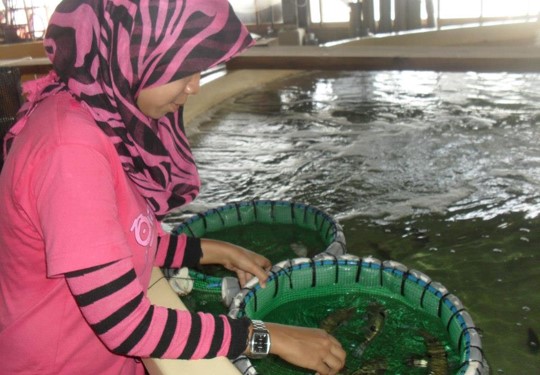
Stocking of the nauplii
HATCHERY LEVEL FIELD TRIAL AT PPK MERSING
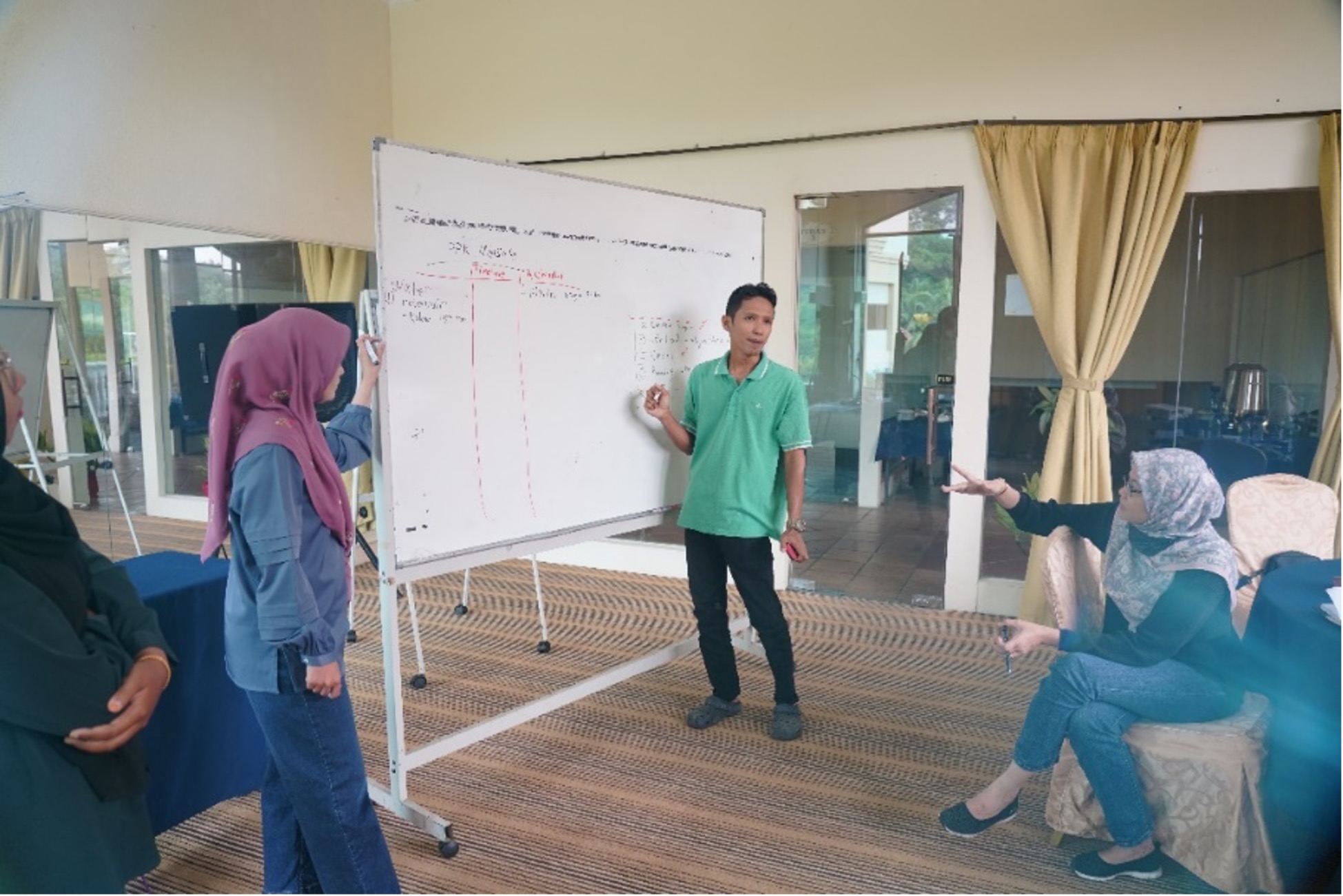
Workshop for field trial preparation with Pertubuhan Peladang Kawasan Mersing
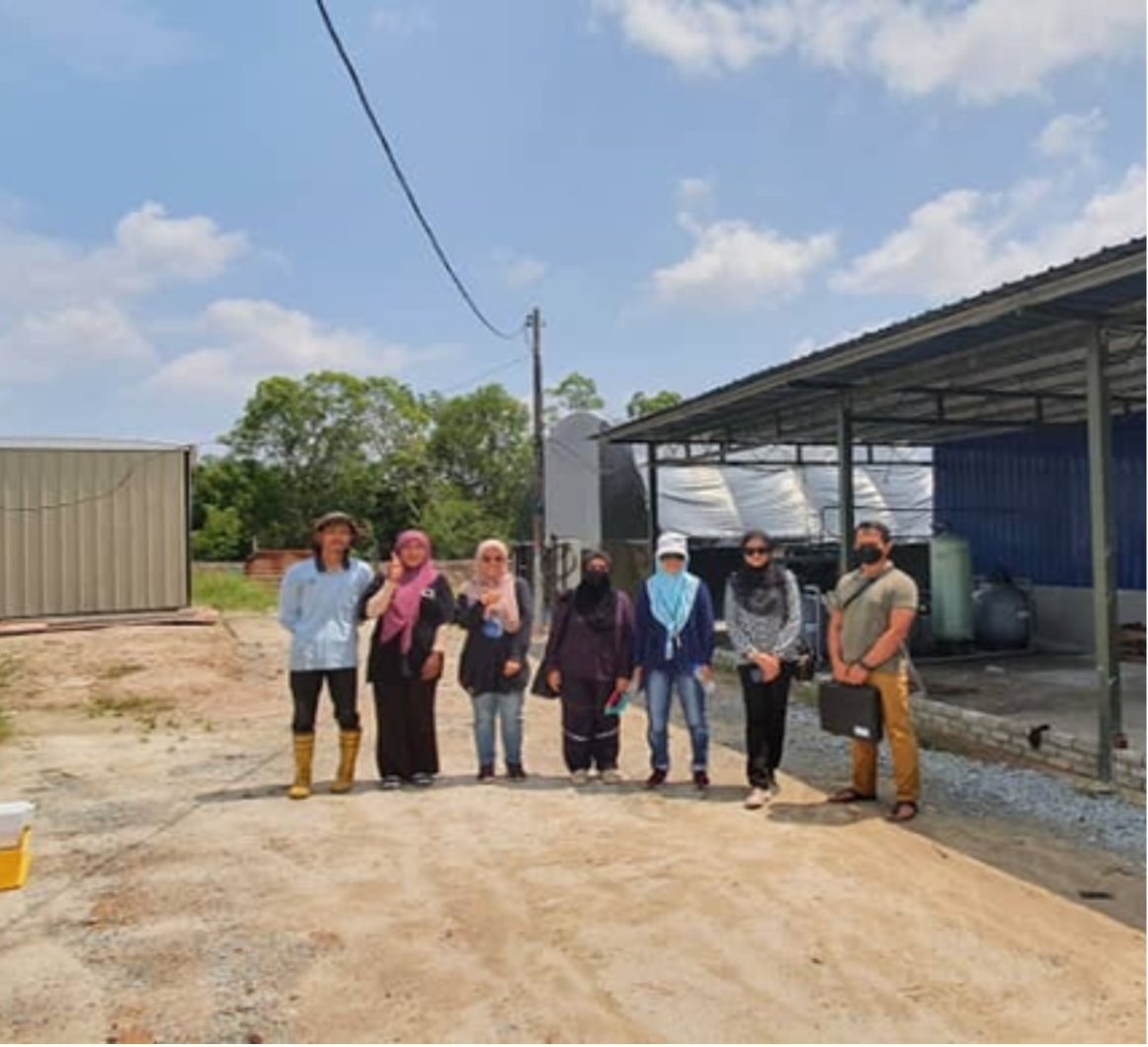
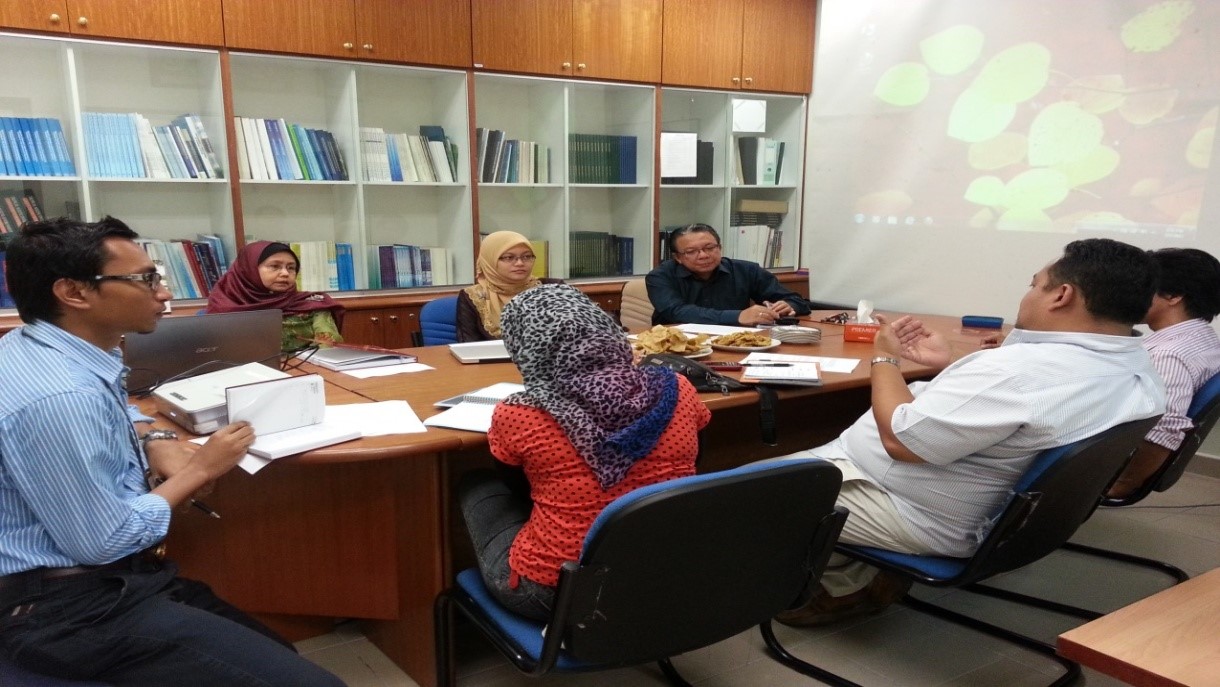
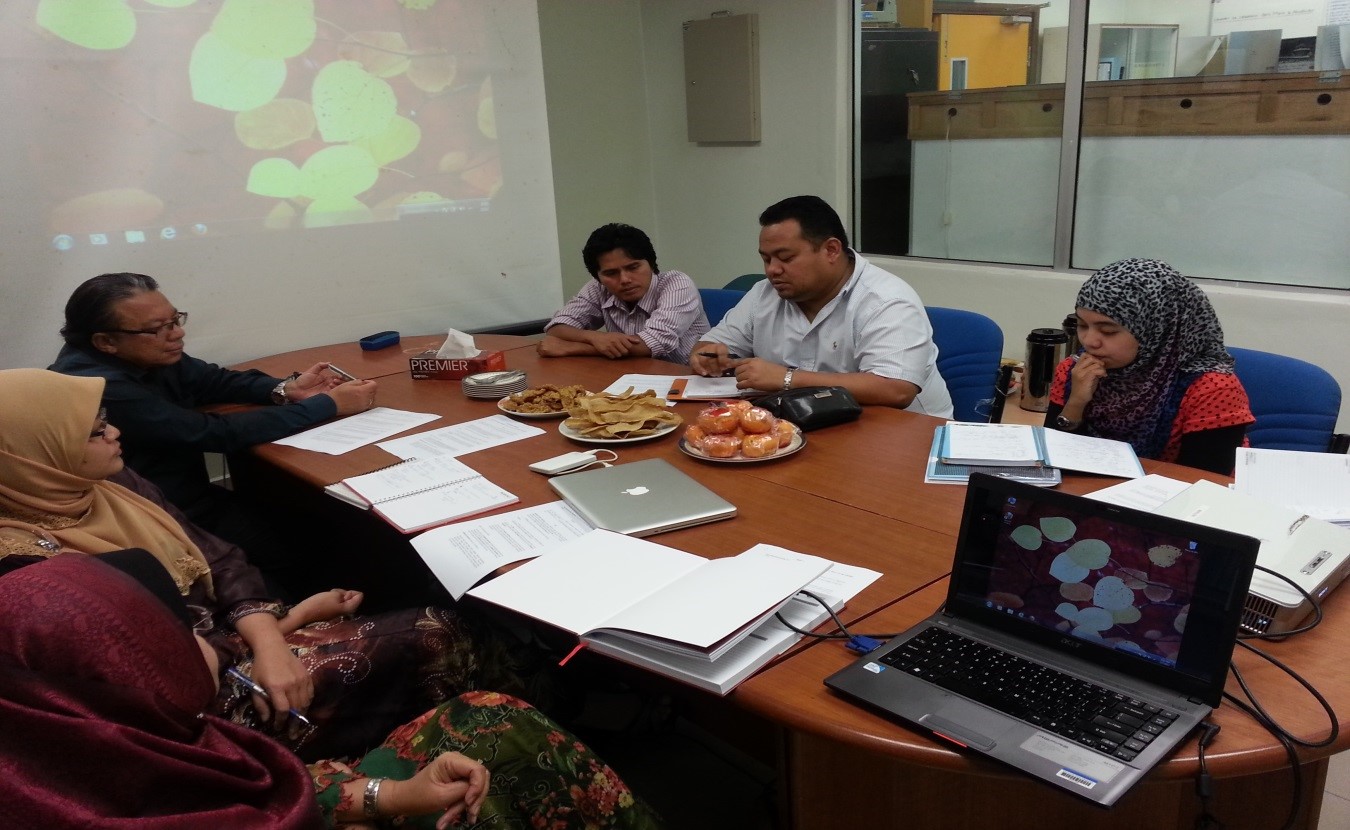
Site visit and discussion with Pertubuhan Peladang Kawasan Mersing (PPK)
Kembang Subur Sdn. Bhd.
Dr. Natrah collaborated with Kembang Subur Sdn. Bhd. for shrimp and live food project. The industry co-participated together with Universiti Putra Malaysia in the live food seminar and workshop for Malaysian industry and the public.
Dindings Soya & Multifeeds Sdn. Bhd.
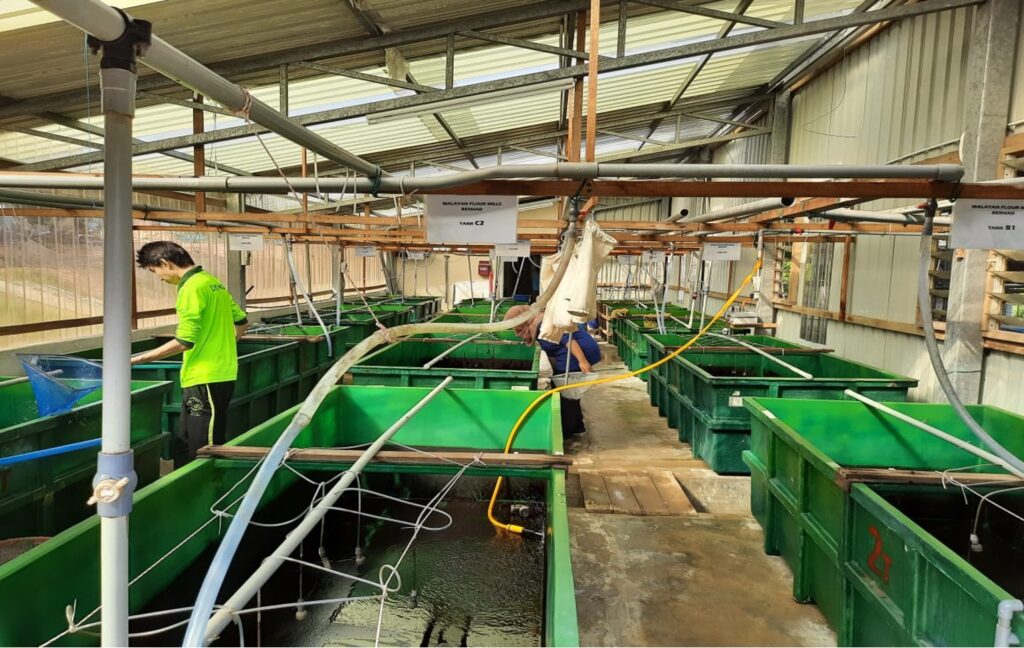
Dindings Soya & Multifeeds Sdn. Bhd. (DSM) principal activities are manufacturing and sales of poultry feeds, aqua feeds and raw materials. DSM is the feed supplier to the contract farming division of Malayan Flour Mills Berhad (MFM). Dr. Natrah collaborated with Dindings Soya & Multifeeds Sdn Berhad at growout level field trial for i-QAS project where they provided PL shrimp (post-larva) and facilities for field trial.
GROWOUT LEVEL FIELD TRIAL AT DSM
Facilities at Dindings Soya & Multifeeds Sdn. Bhd. (DSM)
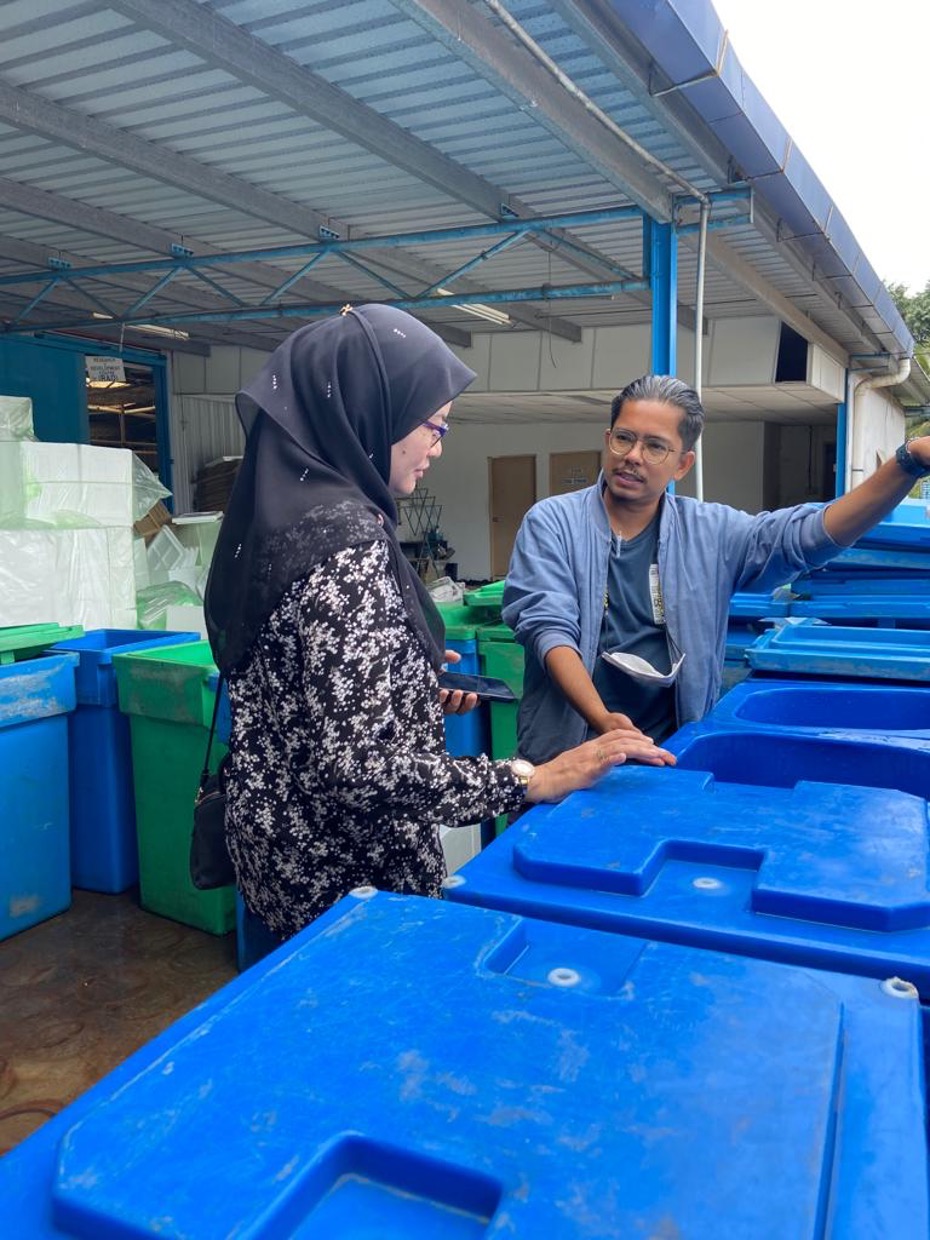
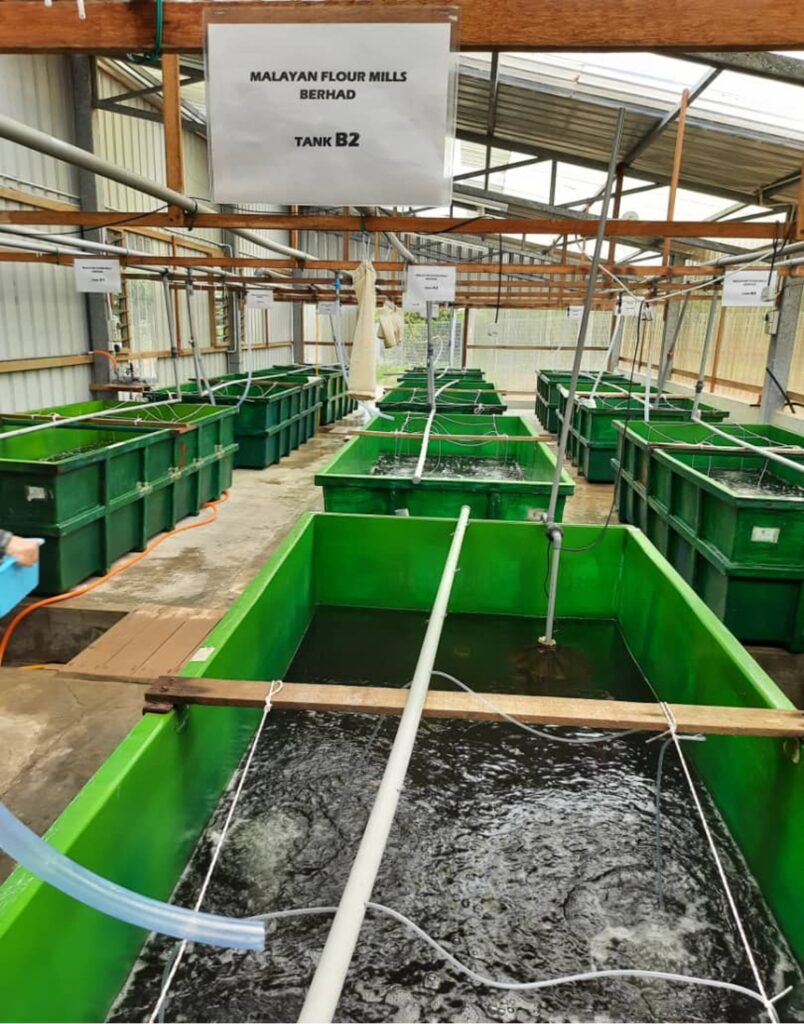
Tanks for growout trials
Tanks are labelled accordingly (different feed)
Tanks are labelled accordingly (different feed)
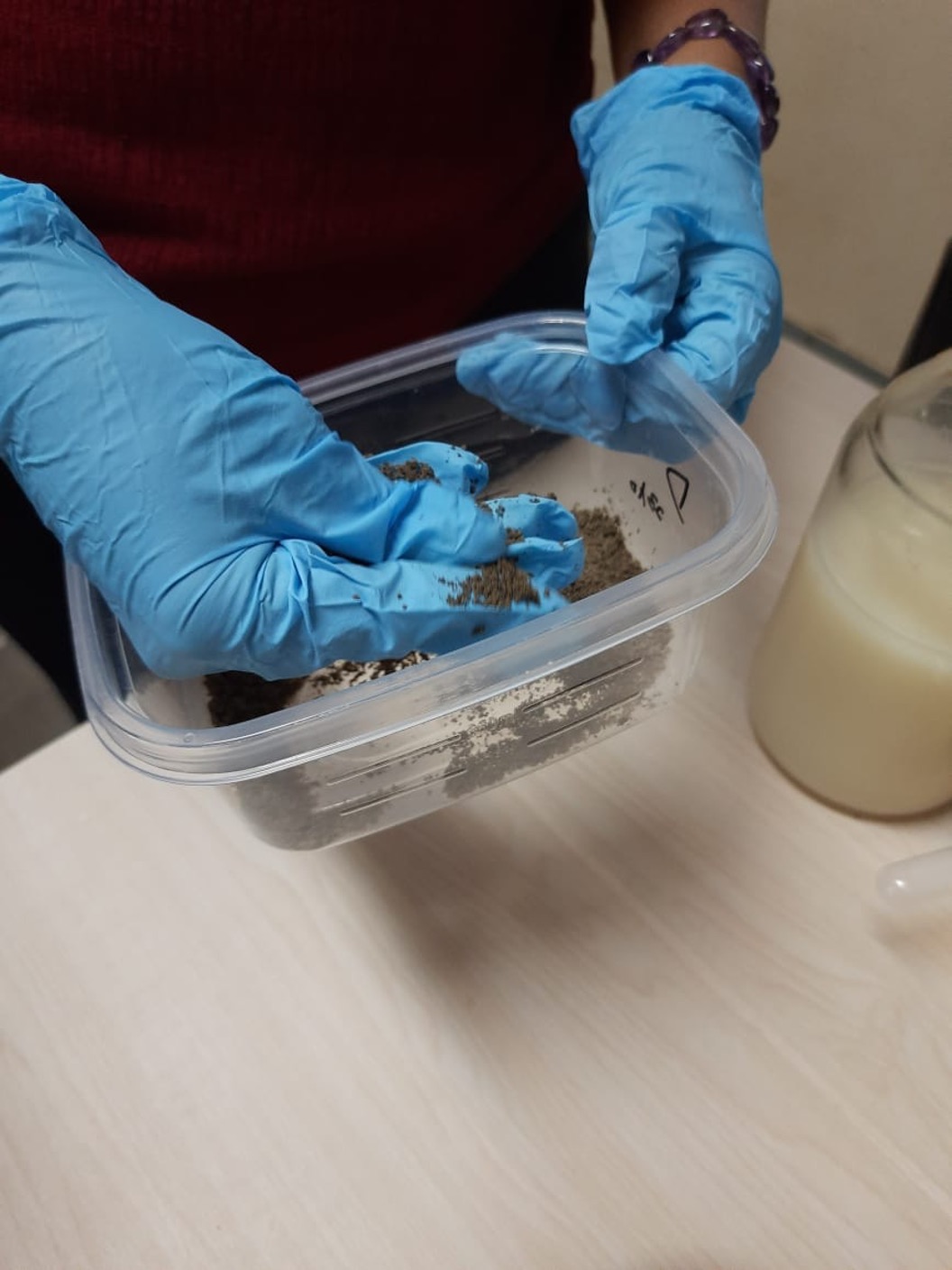
Feed incorporated with QQ probiotic being given into selected tanks
(B1, B2 & B3)
Ericsson Malaysia Sdn. Bhd.
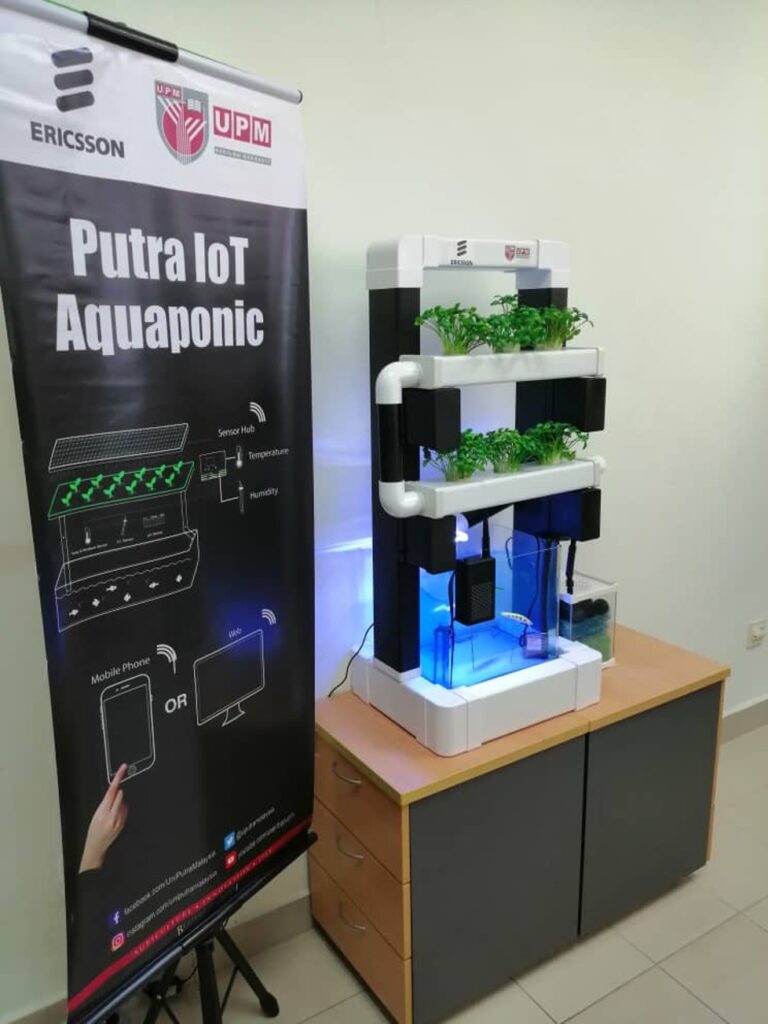
Ericsson funded RM 41,000 for UPM to come out with Smart IoT Aquaponic system. Two models have been developed, one is at Faculty of Agriculture, UPM and the other is located at UTM-Ericsson Innovation Centre for 5G which uses the same concept and functionality. Aquaponic technology combines aquaculture and hydroponic systems where the hydroponic plants utilize nutrients from fish feces or fish feed. The concept is based on nutrient recycling through integration of organisms with different trophic level. The system combines ‘extractive’ aquaculture species (e.g., plants) and ‘fed’ aquaculture species (e.g., fishes). This system not only provides better growth of the cultured animals/plants, but is also able to remove nutrient of the animal effluent through nutrient uptake by the extractive aquaculture species.
Through internet of things, continuous water quality monitoring which is a crucial aspect in aquaponic management could be done through intelligent data acquisition, communication and processing. Internet of things or IoT is a network of Internet connected devices such as sensors that are able to collect and exchange data through a wireless network router (3G, LoRa) and cloud server. Key parameters in aquaponics system for plants include temperature, electrical conductivity and humidity sensor, LED grow light, nitrate sensor while the fish tank sensors include dissolved oxygen, water temperature, water pH, ammonia and water level sensors. All readings can be monitored and controlled real time through mobile phone and web.
Autonomous IoT based Aquponic System (A-IoTAquaponics)
The system designed for continuous water quality monitoring, intelligent data acquisition, communication and processing. It comprises of:
1) Graphical user interface
2) Wireless sensor network: Sensing system comprising Raspberry Pi and commercial sensor circuits
3) IoT analytics platform
4) Sensors & actuators
5) Cloud data store
6) Alarm systems based on rectification of oxygen, water level, water quality or nutrient, water pH
Components of the system
Sensors for plants:
– Temperature and humidity sensor – Soil moisture – LED grow light/ solar powered – Nitrate sensor
Sensors for fish tank:
– Dissolved oxygen – Water temperature – Water pH – Ammonia – Nitrite – Water level (Ultrasonic sensor)
Others:
– Automatic Fish auto feeder – Automatic Water Supply – Cooling & heating systems – Filter system
Model at Faculty of Agriculture, UPM
Model at UTM-Ericsson Innovation Centre for 5G
RE Millenium Sdn. Bhd.
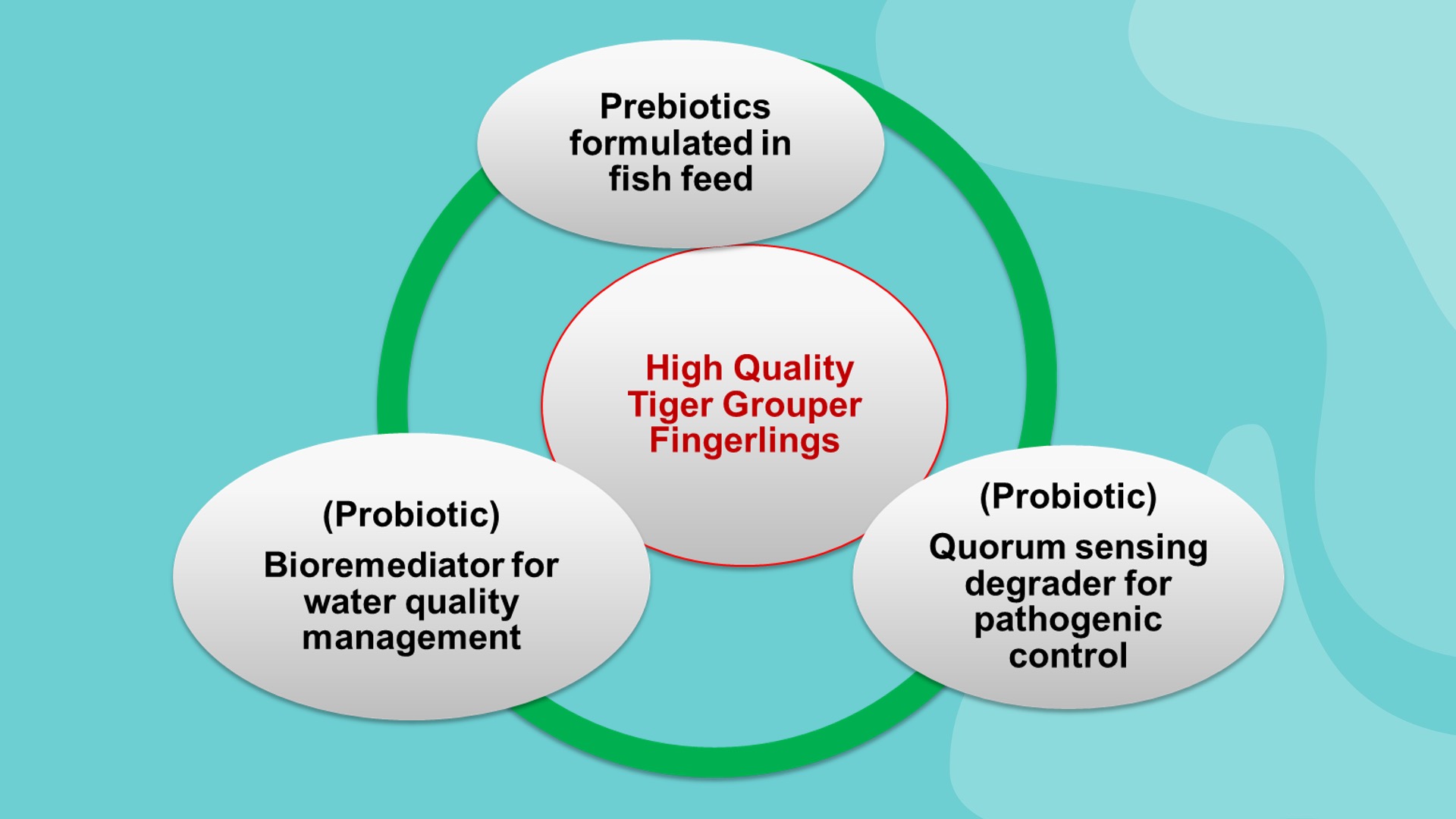
Improving aquaculture productivity using sustainable biotechnology products and tools for fish health management at FRI Tanjung Demong Besut, Terengganu
Industrial Partner Information:
• RE Millenium is a company in marine fish industry in Malaysia • Previously operated at Tg. Demong since 2010 till June 2015. • REM is constructing a new farm at Teluk Kelisa, Mukim Pantai Timur, Kota Tinggi Johor with project size of 150 acres (completion 2016).
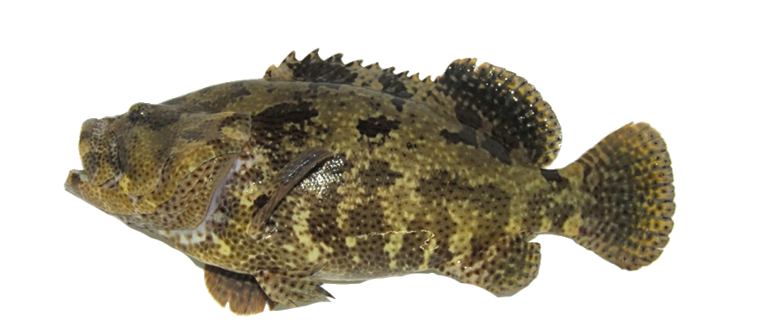
TIGER GROUPER (Epinephelus fuscoguttatus)
Highly potential marine fish species: rapid growth and hardy nature in culture
International cultured species with high demand and economic value
Popular in many countries: due to high organoleptic qualities, great taste
High protein, low fat, rich in nutrients & trace element
Key species – NKEA projects, investment potential
Issues to Address:
Low seed survival, fish diseases
Inconsistent supplies of healthy fingerlings
Depend further on capture fisheries (overfished)
High demand but low supply leads to price increase for fish
Study’s Objectives:
To transfer knowledge on improving aquaculture productivity using sustainable tools for fish health
To explore fast-growth and high survival rearing technologies for the production of quality fingerlings
To enhance growth performance of fishes through the use supplements & beneficial microbes in live feed, formulated feed and feeding regimes
To increase health status through disease control management
Survey & Site Visit
Graduate intern with the industry
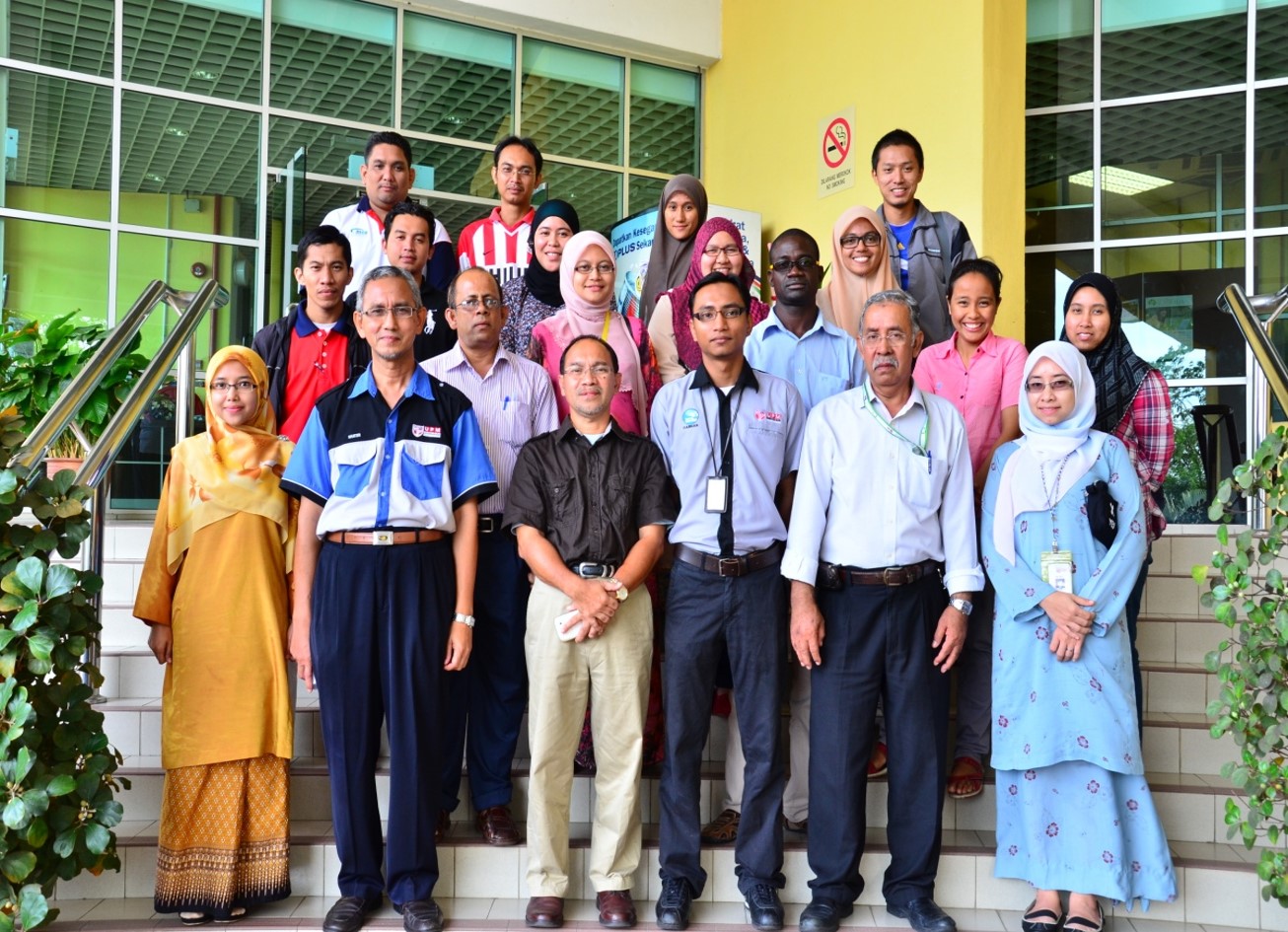
Meetings & Discussion
Training (workshop and seminar) attended by RE staff:
Immunogenomics and Therapeutics Seminar and Workshop: Marine Biotechnology in Fish Health Management